
 Super admin
The Power of Lifelong Learning: Why Continuous Learning Is the Key to Personal and Career Success
Introduction
The world is changing faster than ever before. New technologies emerge every day, industries evolve, and the skills that were valuable yesterday may not be enough to secure tomorrow's opportunities. In this rapidly changing environment, one habit consistently separates successful individuals from those who struggle to keep up: lifelong learning.
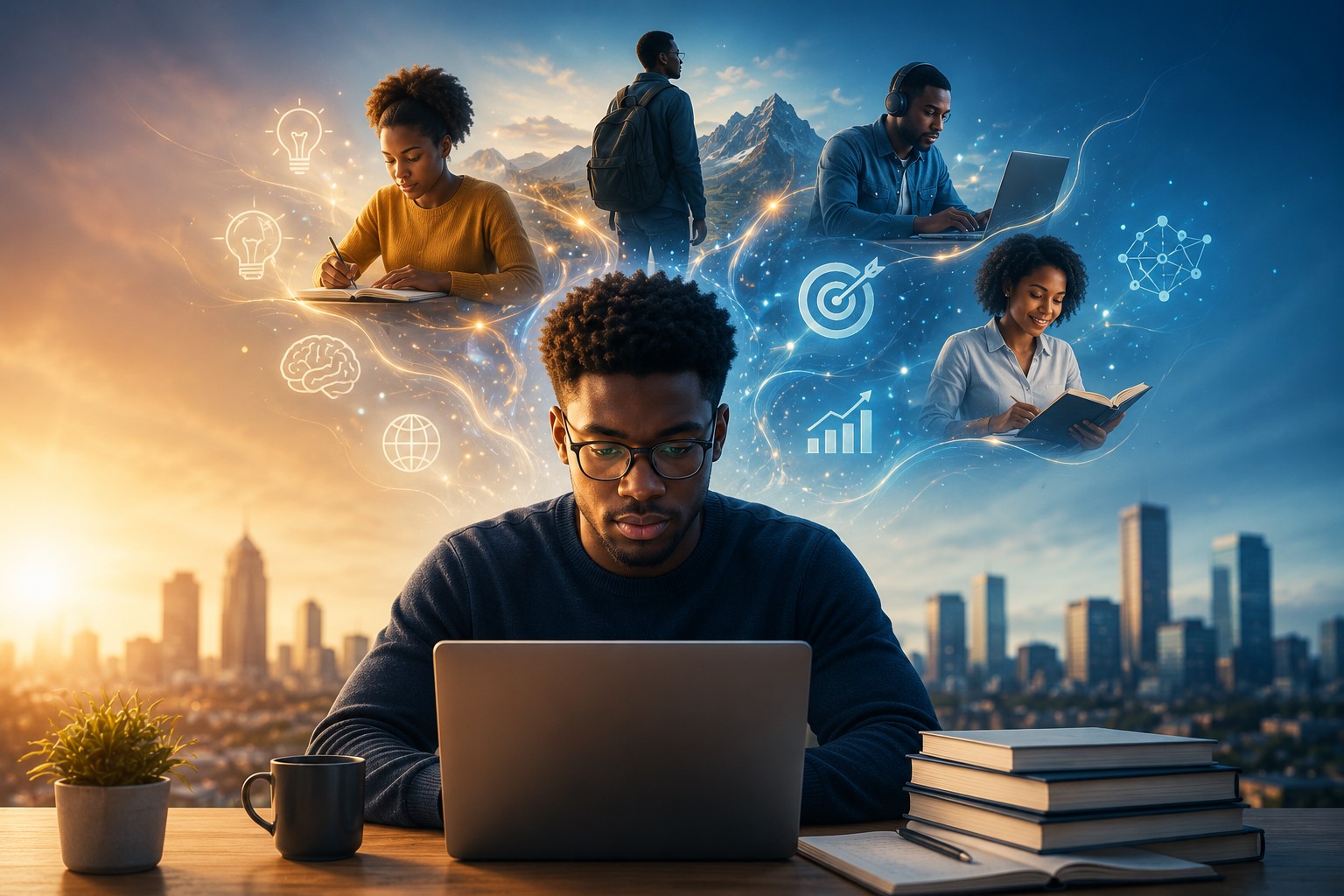
Lifelong learning is the ongoing process of acquiring new knowledge, developing new skills, and improving yourself throughout life. It is not limited to formal education or school certificates. Instead, it includes everything from reading books and taking online courses to attending workshops, learning from mentors, and gaining practical experience.
For students, professionals, entrepreneurs, and job seekers alike, lifelong learning is no longer optional. It is essential. Those who commit to continuous learning are better prepared to adapt, grow, and thrive in a competitive world.
In this article, we will explore what lifelong learning means, why it matters, the benefits it offers, and how you can build a learning mindset that supports both personal and career success.
What Is Lifelong Learning?
Lifelong learning is the continuous pursuit of knowledge and skills throughout a person's life. It goes beyond traditional education and includes formal, informal, and self-directed learning.
Examples of lifelong learning include:
Taking professional certification courses
Learning a new digital skill
Reading books and industry articles
Attending seminars and webinars
Watching educational videos
Practicing new tools and technologies
Learning from feedback and experience
Developing soft skills such as communication and leadership
The goal of lifelong learning is not just to collect information, but to stay relevant, improve performance, and unlock new opportunities.
Why Lifelong Learning Matters More Than Ever
In the past, people could rely on one degree or one skill set for an entire career. Today, that is no longer enough.
Technology is transforming the workplace. Automation, artificial intelligence, remote work, digital marketing, cybersecurity, data analytics, and cloud computing are reshaping how businesses operate. As a result, employers are looking for people who can learn quickly, adapt to change, and keep improving.
Lifelong learning matters because it helps you:
Stay competitive in the job market
Adapt to industry changes
Build confidence in your abilities
Increase your earning potential
Discover new career paths
Improve problem-solving and critical thinking
Remain valuable in your profession
The people who succeed in the modern world are not always the ones who know the most at the beginning. They are the ones who keep learning the longest.
The Benefits of Lifelong Learning
1. It Improves Career Opportunities
Employers value candidates who are committed to growth. When you continue learning, you become more qualified for promotions, new roles, and better-paying opportunities.
For example, someone working in administration may learn digital marketing, data analysis, or project management and transition into a more specialized role. A graphic designer may learn motion design or UI/UX to expand their career options. A business owner may learn digital tools to improve productivity and reach more customers.
Continuous learning opens doors that would otherwise remain closed.
2. It Helps You Adapt to Change
Change is inevitable. Industries evolve, tools are updated, and new challenges appear constantly. Lifelong learning gives you the flexibility to adapt instead of becoming outdated.
When you are used to learning, change becomes less intimidating. You become more confident when new software is introduced, when job responsibilities shift, or when your industry adopts new standards.
Adaptability is one of the most valuable skills in today's world.
3. It Builds Confidence
Knowledge creates confidence. When you understand a subject better, you feel more capable of handling challenges and making decisions.
Learning a new skill can help you:
Speak more confidently in meetings
Solve problems more effectively
Take on new responsibilities
Present yourself professionally
Trust your ability to grow
Confidence does not come from pretending to know everything. It comes from knowing that you can learn what you need to know.
4. It Encourages Personal Growth
Lifelong learning is not only about career success. It also improves your personal life.
When you learn continuously, you become more curious, open-minded, and disciplined. You develop better communication skills, stronger emotional intelligence, and a deeper understanding of the world around you.
Personal growth through learning can improve:
Decision-making
Relationships
Time management
Self-awareness
Creativity
Resilience
A person who keeps learning becomes a better thinker, a better worker, and often a better leader.
5. It Increases Earning Potential
People with in-demand skills often earn more than those with outdated knowledge. By learning new skills and earning relevant certifications, you can position yourself for higher-paying opportunities.
For example:
A beginner in digital skills can move into a specialized role after training
A professional with cybersecurity knowledge may qualify for technical positions
A marketer who learns analytics can make better campaign decisions
A designer who learns advanced tools can attract premium clients
The more valuable your skills are in the marketplace, the more opportunities you can create for yourself.
6. It Keeps Your Mind Active
Learning is good for the brain. It improves memory, concentration, and mental flexibility. It also helps you stay mentally active and engaged.
Whether you are a student, a working professional, or someone exploring a new career path, learning keeps your mind sharp and your thinking fresh.
The Difference Between Formal Education and Lifelong Learning
Formal education usually happens in schools, colleges, universities, or training institutions. It provides structure, certification, and foundational knowledge.
Lifelong learning, on the other hand, continues beyond formal education. It is self-driven and ongoing.
Both are important.
Formal education gives you a strong foundation, while lifelong learning helps you stay relevant and grow throughout your life. In today's world, success often depends on combining both.
A degree may help you start your career, but continuous learning helps you advance it.
Common Barriers to Lifelong Learning
Even though lifelong learning is valuable, many people struggle to maintain it. Some common barriers include:
1. Lack of Time
Many people believe they are too busy to learn. However, learning does not always require hours each day. Even 15 to 30 minutes of focused learning can make a difference over time.
2. Fear of Failure
Some people avoid learning new things because they are afraid of making mistakes. But mistakes are part of the learning process. Growth happens when you are willing to try.
3. Limited Access to Resources
Not everyone has access to expensive courses or training programs. Fortunately, there are many affordable and free learning resources available online.
4. Lack of Motivation
Without clear goals, it can be difficult to stay consistent. That is why it helps to connect learning with a specific purpose, such as career growth, business improvement, or personal development.
5. Fixed Mindset
A fixed mindset believes that intelligence and ability cannot change. A growth mindset believes that skills can be developed through effort and practice. Lifelong learning requires a growth mindset.
How to Build a Lifelong Learning Habit
1. Set Clear Learning Goals
Start by identifying what you want to learn and why. Your goals may include:
Getting a new job
Improving your current performance
Starting a business
Learning digital skills
Earning a certification
Becoming more productive
Clear goals make learning more focused and meaningful.
2. Create a Learning Schedule
Consistency matters more than intensity. Set aside a specific time each day or week for learning.
You might:
Read for 20 minutes every morning
Watch one educational video each evening
Take an online course on weekends
Practice a new skill for one hour weekly
Small, regular efforts lead to big results over time.
3. Choose the Right Learning Resources
Use reliable and practical learning materials such as:
Online courses
Books
Podcasts
Webinars
Workshops
Mentorship
Industry blogs
Hands-on projects
The best resources are those that help you apply what you learn.
4. Practice What You Learn
Knowledge becomes valuable when it is applied. If you learn a new skill, practice it through real projects, exercises, or case studies.
For example:
If you learn graphic design, create sample designs
If you learn digital marketing, run a small campaign
If you learn cybersecurity, practice in a lab environment
If you learn data analysis, work with real datasets
Practice turns theory into competence.
5. Reflect on Your Progress
Take time to review what you have learned and how it has helped you. Reflection helps you identify strengths, weaknesses, and next steps.
Ask yourself:
What did I learn this month?
What skills have improved?
What challenges am I facing?
What should I learn next?
Reflection keeps your learning intentional.
6. Stay Curious
Curiosity is the engine of lifelong learning. Ask questions. Explore new ideas. Be open to different perspectives. The more curious you are, the more opportunities you will find to grow.
Lifelong Learning in the Digital Age
The digital age has made learning more accessible than ever before. With a smartphone, laptop, or internet connection, you can access thousands of learning opportunities from anywhere in the world.
You can now learn:
Cybersecurity
Web development
Graphic design
Digital marketing
Data analytics
Artificial intelligence
Business skills
Communication and leadership
This means that anyone, regardless of background, can begin building valuable skills and improving their future.
The challenge is no longer access. The challenge is commitment.
Why Lifelong Learning Is Important for Students
Students who embrace lifelong learning gain a major advantage. They do not wait until graduation to start preparing for the future. Instead, they begin building practical skills early.
Lifelong learning helps students:
Perform better academically
Develop career-ready skills
Build confidence
Explore career interests
Prepare for internships and jobs
Become independent learners
Students who learn how to learn are better prepared for success in school, work, and life.
Why Lifelong Learning Is Important for Professionals
For professionals, lifelong learning is the key to staying relevant and advancing in their careers.
It helps professionals:
Keep up with industry trends
Improve job performance
Qualify for promotions
Transition into new roles
Increase productivity
Strengthen leadership abilities
In many industries, the professionals who grow the fastest are those who continue learning the longest.
Why Lifelong Learning Is Important for Entrepreneurs
Entrepreneurs must learn constantly to stay competitive. Business environments change quickly, and successful entrepreneurs know how to adapt.
Lifelong learning helps entrepreneurs:
Understand customer needs
Improve business strategy
Learn digital tools
Manage finances better
Market products effectively
Solve problems creatively
Make informed decisions
A business grows when its leader grows.
The Role of Mindset in Lifelong Learning
Your mindset determines how you respond to challenges, feedback, and new information.
A growth mindset says:
I can improve
I can learn new skills
Mistakes help me grow
Effort leads to progress
A fixed mindset says:
I am not good at this
Learning is too difficult
I cannot change
I already know enough
If you want to become a lifelong learner, you must believe that growth is possible. That belief will keep you moving forward even when learning feels difficult.
How Impact Edge Academy Supports Lifelong Learning
At Impact Edge Academy, we believe that learning should be practical, accessible, and career-focused. Our mission is to help learners build the skills they need to succeed in today's digital world.
We support lifelong learning by offering training in areas such as:
Cybersecurity
Graphic design
Web development
Digital marketing
Data analytics
Artificial intelligence
Career development
Digital skills for the modern workplace
Our programs are designed to help learners not only gain knowledge, but also apply it in real-world situations. Whether you are a beginner, a student, a job seeker, or a professional looking to upskill, Impact Edge Academy provides the guidance and support you need to keep growing.
Practical Steps to Start Learning Today
If you want to begin your lifelong learning journey, here are simple steps you can take right now:
Choose one skill you want to improve
Set a realistic learning goal
Find a trusted course or resource
Create a weekly learning routine
Practice consistently
Track your progress
Apply your knowledge in real situations
Keep learning something new
You do not need to learn everything at once. Start small, stay consistent, and build momentum.
Final Thoughts
Lifelong learning is one of the most powerful habits you can develop. It helps you stay relevant, grow personally, advance professionally, and adapt to a changing world.
In a time when industries are evolving rapidly and new opportunities are emerging every day, the ability to keep learning is a true advantage. It is not just about gaining knowledge. It is about becoming the kind of person who can grow, adapt, and succeed in any environment.
The most successful people are not those who stop learning after school. They are the ones who continue learning throughout life.
If you want to build a better future, start by building a learning habit today.
Start Your Learning Journey with Impact Edge Academy
At Impact Edge Academy, we are committed to helping you develop the digital and professional skills needed for success. Whether you want to grow your career, improve your confidence, or prepare for new opportunities, our training programs are designed to support your journey.
Keep learning. Keep growing. Keep moving forward.